
Itasca County Parole vs Probation
Probation is a court-ordered sentence served in the community, sometimes after a jail term. Supervised release is the community portion of a Minnesota prison sentence. True parole applies only to narrower legal categories, such as certain life or older indeterminate sentences. Minnesota’s ordinary modern determinate sentence does not depend on a routine parole-board grant at the end of the prison portion.
| Status | Who orders it | Itasca supervising route | How it ends |
|---|---|---|---|
| Misdemeanor or gross-misdemeanor probation | District court | Itasca County Probation | Court discharge or term completion |
| Felony probation | District court | MN DOC community supervision | Court or DOC record as applicable |
| Supervised release | Runs under the executed state sentence | MN DOC and, when assigned, ISR North | Sentence expiration or final discharge |
| Parole | Specialized board authority in qualifying cases | MN DOC and the Supervised Release Board | Board final discharge or sentence end |
The county’s official explanation confirms the local division between county and state supervision.
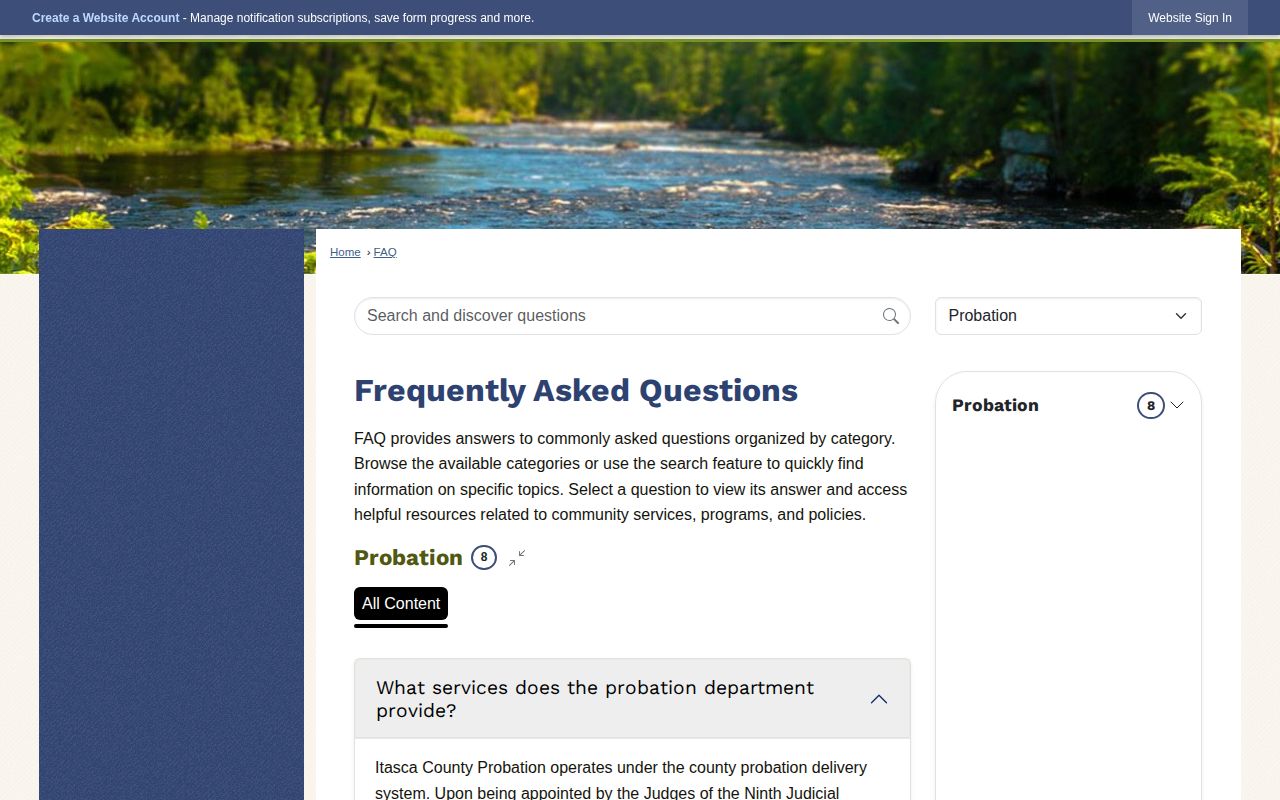
This split prevents a common routing error: calling county probation about a person whose felony supervised-release record belongs to MN DOC.
- Probation
- Community supervision imposed by a court instead of, or after, confinement.
- Supervised release
- The community portion of a Minnesota state sentence under corrections authority.
- Parole
- Conditional community release used in the limited cases governed by parole law.
- Absconder
- A person alleged to have left supervision or stopped reporting and whose whereabouts are unknown.
- Discharge
- The recorded end of supervision or correctional authority for the case.
Verify Itasca County Post-Release Supervision
Begin with the sentence and current authority. A jail release record proves that county custody ended. It does not automatically identify the current agent, and a probation order may exist while another hold delays physical release. The court register, MN DOC public viewer, and responsible office answer different parts of the question.
- Check the Itasca court register for the sentence, probation order, revocation, discharge, or state commitment.
- For an adult misdemeanor or gross-misdemeanor case, call Itasca County Probation and ask for the public supervising-officer identity.
- For a felony case or return from a Minnesota prison, search the MN DOC public viewer and contact the Grand Rapids or Itasca supervision office.
- Read the displayed status exactly. Supervised release, probation, parole, and final discharge are not interchangeable.
- If a violation is suspected, check the official MN DOC active-fugitive search and the responsible court or agency. Do not infer a warrant from a blank roster.
The MN DOC public viewer covers adults still under the commissioner’s jurisdiction, including people living outside prison under supervision. A person who reached final discharge may no longer appear. For that reason, a blank result cannot reconstruct an old Itasca County supervision record.
Itasca County Supervision Offices
The local line is unusually specific. Itasca County handles juvenile cases and adult misdemeanor or gross-misdemeanor probation. MN DOC handles felony probation and people on supervised release from state facilities. The county FAQ says adult officer identity is public, while juvenile officer information is not.
218-327-2869
Monday through Friday, 8:00 a.m. to 4:30 p.m.
Call before visiting because official county pages list conflicting street addresses.
218-322-2920
Felony probation and supervised release from Minnesota correctional facilities
The county directory lists 123 NE 4th Street, while the FAQ identifies a stand-alone building at 115 NE Fifth Street. Both are official sources. Telephone confirmation is the only responsible way to resolve that address conflict before an in-person visit.
Note: Call before visiting Itasca County Probation because two current official pages give different street addresses for the office.
Who Supervises Itasca County Releases?
Agent identity is not derived from the release facility alone. A person can leave the Itasca County Jail on local probation, felony probation, state supervised release, or no supervision from that case. Someone leaving MCF–Togo may move into a Challenge Incarceration Program community phase and remain under close DOC control. Ask the office to confirm the legal status, assigned agent or team, and whether the record is current.
The Minnesota probation-agent statute describes the state framework for probation services.
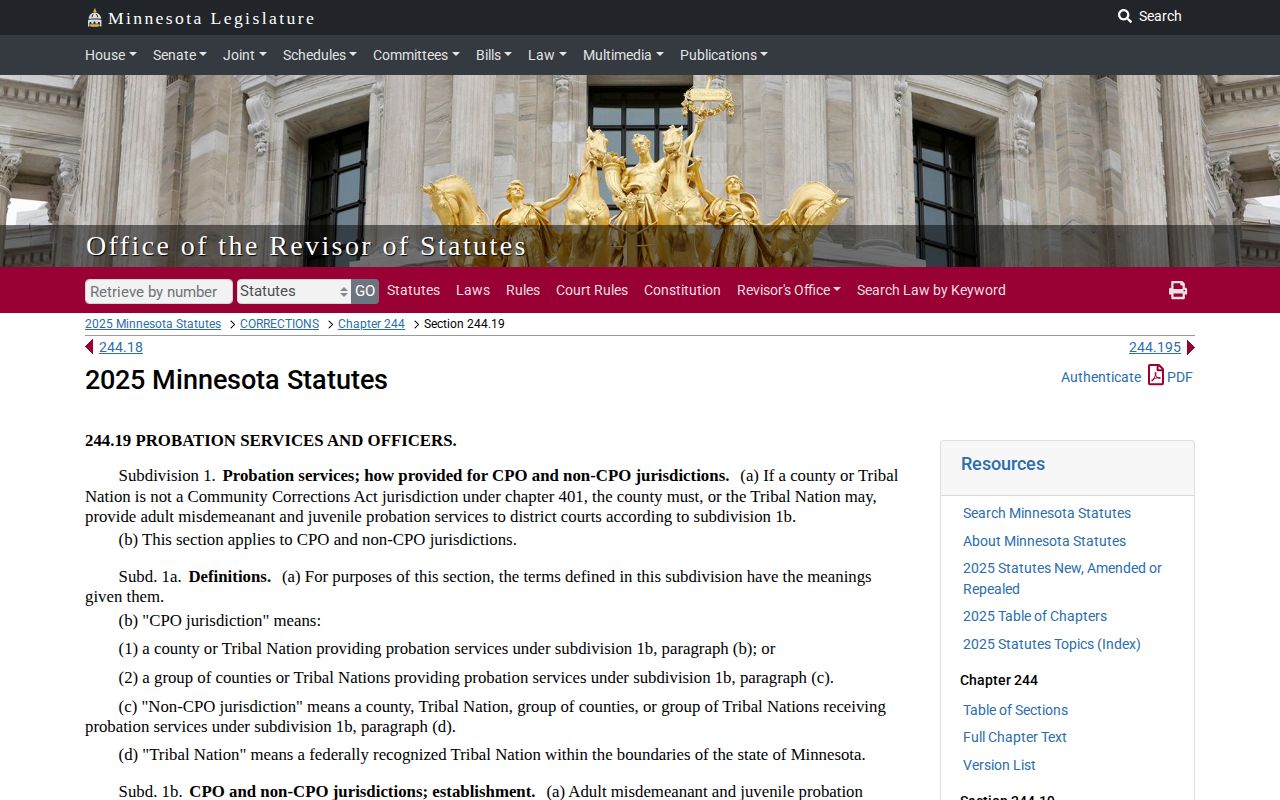
The statute provides legal context, while the Itasca County and MN DOC offices remain the person-specific sources.
Itasca Release Conditions and Violations
Conditions can include reporting, treatment, residence rules, travel limits, testing, contact limits, or compliance with court and agent directions. The exact terms come from the sentencing order, release paperwork, and supervising agency. A public summary should never be treated as the complete set of conditions for one person.
A suspected violation can produce an agent response, court filing, warrant, revocation process, or return to custody. None is proved merely because a person vanished from the jail roster or stopped appearing in the DOC viewer. Minnesota VINE follows participating county-jail custody changes, not supervision compliance. Minnesota Haven is the DOC notification route for eligible state cases.
If a person is taken into Itasca County Jail on a violation, the current roster may show the new custody episode. The underlying court or DOC record explains why. A later release from that episode must again be confirmed with the jail custody event rather than assumed from the supervision label.
Check Itasca County Absconder Status
The sheriff’s Most Wanted page and the MN DOC active-fugitive search are not the same system. The sheriff page is a secondary local warrant cross-check. MN DOC describes its fugitive list as people serving the community portion of a sentence who allegedly violated supervised-release terms and are evading authorities. A hit indicates an active supervision or warrant concern, not current prison confinement and not the historical date of release.
The official MN DOC active-fugitive search is the state route.
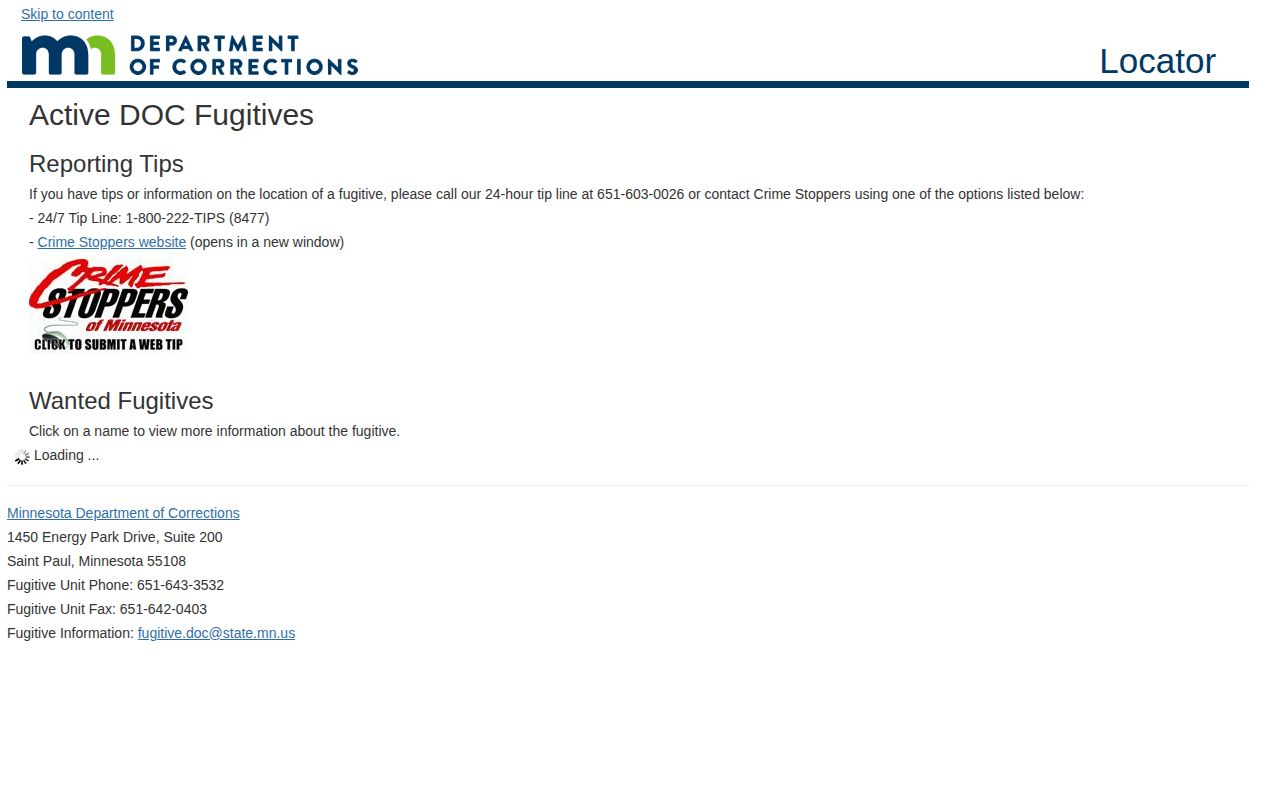
Confirm any match with the listed agency or court. Similar names, stale context, or a later resolution can make an uncross-checked result misleading.
How Itasca County Supervision Ends
Probation can end when the court discharges the person, the ordered term expires, or the case reaches another recorded resolution. State supervised release generally continues until sentence expiration unless the governing law and official record provide otherwise. Final discharge is a distinct event. It should not be inferred from physical prison release or from the absence of a public DOC result.
Ordinary modern determinate cases generally move from imprisonment to supervised release by statute. Specialized board review covers life sentences with release possibility, qualifying older indeterminate sentences, certain early reviews tied to age at offense, and other assigned matters under sections 244.049 and 244.05. The Minnesota Supervised Release Board is not a routine parole calendar for every Itasca County state prisoner.
For a complete record, preserve the jail or prison release event, the court’s probation or sentencing entry, the supervision status, and the final discharge document. These are separate milestones. When public display no longer returns an older person, request the record from the court, county custodian, or MN DOC office that created it.
Note: A person can be outside a facility and still remain under Itasca County or Minnesota corrections authority until official discharge.
Itasca Parole Board Record Limits
The Minnesota Supervised Release Board became operational on July 1, 2024. Its jurisdiction is limited, so most modern determinate-sentence releases in Itasca County do not generate a discretionary parole hearing. The board handles qualifying life sentences, older indeterminate sentences, certain cases involving a person who was under 18 at the offense, and other matters that statutes assign to it. A sentencing document and offense date are necessary before assuming that a board record should exist.
For a covered case, the board can conduct readiness and release reviews, set a projected date, continue the matter, grant or deny release, or rescind a grant before physical release when prerelease terms are violated. A grant alone is not always community release. A consecutive sentence or other legal barrier can keep the person in custody. The dated annual report and meeting record provide context, while the person-specific DOC record shows whether the transition actually occurred.
Final discharge is another distinct board action in qualifying parole cases. The record addresses the confinement history, parole date and conduct, and reasons for discharge. Current board practice must be checked in the latest official report rather than assumed from an older file. For ordinary supervised release, the operative end point is usually the sentence-expiration or discharge entry held by MN DOC, not a parole-board calendar.
Note: Most modern Itasca determinate sentences use statutory supervised release, not a routine discretionary parole hearing or monthly grant calendar.
Itasca Supervision Notification Boundaries
Minnesota uses separate notice systems across the custody line. VINE is connected to participating county jails, so it can alert on an Itasca County Jail custody change. It does not cover MCF–Togo or another Minnesota prison. Minnesota Haven is the state DOC notification route for eligible prison and supervision events, including some releases, early-release programs, transfers, custody reductions, escapes, and supervision changes.
Neither system replaces the supervision office. An alert may arrive before a public viewer refreshes, and its language may describe a transfer or status change rather than final discharge. Keep the event wording and time, then ask the responsible Itasca County or MN DOC office to confirm the current supervision status. That sequence preserves the difference between leaving a building, beginning community supervision, and ending correctional authority.